
Our Services
At Spring Therapy, we provide occupational therapy services for children and young adults across Adelaide. Our goal is to empower individuals to develop essential life skills, enhance independence and fully participate in their daily activities at home, school, childcare, kindergarten and in the community.

Assessments and Reports
-
At the start of your therapy journey with Spring Therapy we undertake an initial assessment which is tailored to your age, developmental stage and primary concerns. This involves either an informal play-based observation or a more structured, formal assessment. We gather crucial information to identify current functional capacity and pinpoint the areas where occupational therapy can make the greatest impact. This guides our immediate therapeutic recommendations.
-
An FCA is a comprehensive assessment which measures your current abilities across key life domains (e.g., self-care, mobility, social interaction, home management). An FCA is often required by the NDIS and it provides critical evidence to justify your funding needs, inform goal setting for your NDIS plan and recommend appropriate supports.
-
These assessments investigate how your child or young adult registers, interprets and responds to sensory information from their environment (e.g., sounds, touch, movement, sight). We identify patterns of sensory regulation and dysregulation, providing the insight needed to develop effective sensory strategies, recommend sensory supports and create sensory-friendly environments for increased comfort and participation in daily activities.
-
These standardised and informal assessments examine the underlying components that impact handwriting, including fine motor control, pencil grasp, visual-motor integration and letter formation. We assess legibility, speed and comfort to create targeted intervention plans, supporting your child to effectively participate in academic tasks and written communication.
-
As your child progresses, we conduct review assessments to measure the impact of therapy against their goals. These formal progress reports clearly document achievements, outline continued recommendations, and provide the evidence required for NDIS plan reviews. This ensures ongoing funding reflects your child's or young adults evolving needs and continues to support their capacity building journey.
Therapy Interventions
-
We break down Activities of Daily Living (ADLs) like dressing, showering, toileting and grooming into manageable steps. By providing targeted strategies and recommending adaptive tools, we help children and young adults establish self-care routines, leading to greater confidence and less reliance on daily support.
-
We focus on the functional skills needed to thrive in educational settings. We help students develop their skills and make adaptations to assist participation in learning. This includes enhancing attention and concentration, developing executive functioning skills (e.g. organisation and time management strategies), improving handwriting legibility and speed and strengthening the underlying fine motor and gross motor skills required for academic success and school participation. We collaborate with teachers and staff to provide interventions, modify the environment and recommend strategies to improve the student’s overall function and success in the school day.
-
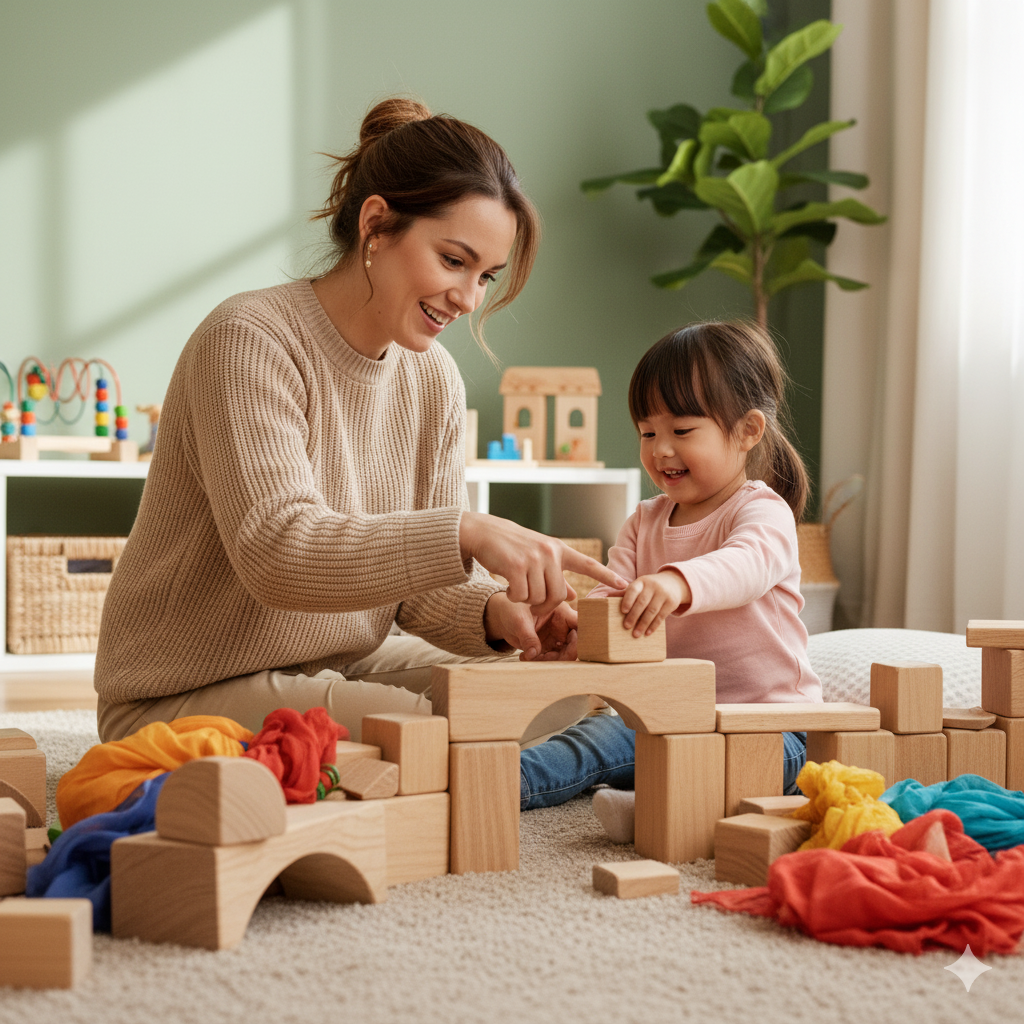
Play is the primary occupation of a child, and leisure is vital for young adults. We foster the development of social, imaginative and cooperative play skills, support fine and gross motor abilities for physical activities, and help participants discover and sustain meaningful hobbies that promote confidence and connection within their peer groups and community.
-
We target both large (gross motor) and small (fine motor) muscle groups, to strengthen the physical building blocks of daily function. We enhance fine motor skills (such as grasping, cutting and manipulation) critical for tasks like writing, dressing and feeding, alongside gross motor skills (i.e. balance, coordination and core strength) necessary for movement, stability and participation in physical activities.
-
We assist children and young adults who are over-responsive or under-responsive to sensory input (e.g., sound, light, movement). We implement personalised strategies, design "sensory diets", and suggest environmental modifications. In doing so, we help improve ones ability to manage sensory overload, regulate their emotional state and maintain optimal alertness for learning and daily participation.
-
We aim to build capacity in understanding, expressing and managing emotions effectively. We teach strategies for recognising emotional cues, navigating peer interactions, taking turns, sharing space, and developing communication skills to help reduce the frequency and intensity of emotional meltdowns, leading to more positive relationships at home and in the community. We know the importance of the child-parent/guardian relationship in managing emotions and foster this through co-regulation education and strategies.
-
We support young people in developing management skills critical for school and independent living, such as planning multi-step tasks, initiating tasks, managing time effectively, sequencing daily routines and sustaining attention. These capacity-building strategies reduce feelings of overwhelm and foster a sense of control over academic and personal responsibilities.
-
We help to prepare young adults for greater independence outside the home. We work on practical skills needed for safe and independent community living, including road safety awareness, confidently using public transport, managing money, and navigating local amenities like libraries, shops or sports centres. We foster social inclusion by helping you gain access to places that matter most to you.
-
We don't just work with the participant, we empower the entire support system. We provide caregivers, educators, support workers or other support people with the knowledge, confidence and practical strategies needed to reinforce therapeutic goals in daily routines. This ensures consistency, generalisation of skills and long-term positive outcomes outside of therapy sessions.
We understand that the best therapy often happens where it's needed most. We offer flexible therapy locations across Adelaide to empower you to build skills and confidence within your natural environments that are meaningful to achieve your goals.
Therapy Locations
-

In Home Support
Therapy sessions directly within your family's home environment. This is ideal for addressing challenges with daily routines like showering, dressing, sleep and meal preparation. Working at home allows strategies to be immediately integrated into the family environment.
-

School, Childcare or Kindergarten Support
Therapy sessions delivered within your child's education or care setting. This helps to address difficulties directly related to learning, social interaction and participation in the classroom or playground. We will collaborate with educators to implement consistent strategies, improving skills like attention, organisation and fine motor tasks (e.g., handwriting) where they are used every day.
-

Community Support
Therapy takes place in relevant community locations like parks, libraries, shops, or public transport hubs. This method is helpful for teaching the generalisation of skills and supporting community participation goals. It allows young adults to practice skills like road safety, shopping and navigating social environments in a real-world, supported setting.
-

Telehealth
Therapy delivered remotely via secure video conferencing, allowing access from anywhere with an internet connection. It may be suited for families with busy schedules or those living remotely. It's an effective platform for parent coaching, capacity building, and supporting specific tasks that can be demonstrated and guided via screen-share.
We’d love to hear from you!
If you have any questions or would like to discuss how Occupational Therapy can support you to work towards your goals, please get in touch and we will get back to you as soon as possible.